Bedding includes the coordinated textiles and supporting furnishings that shape a bed’s comfort, appearance, and everyday function. Common elements include sheets, blankets, duvet covers, bed skirts, and bed frames. Understanding how these components work together can help clarify practical considerations such as coverage, care, fit, and compatibility with different bedroom layouts.
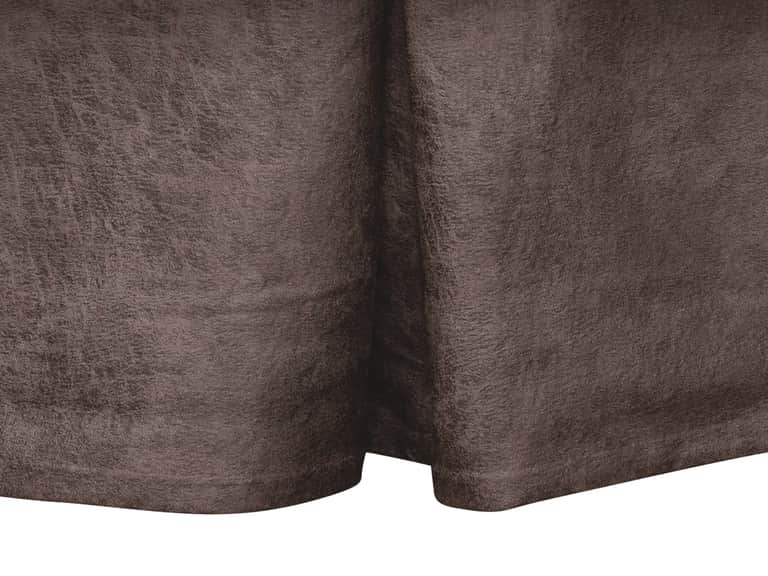
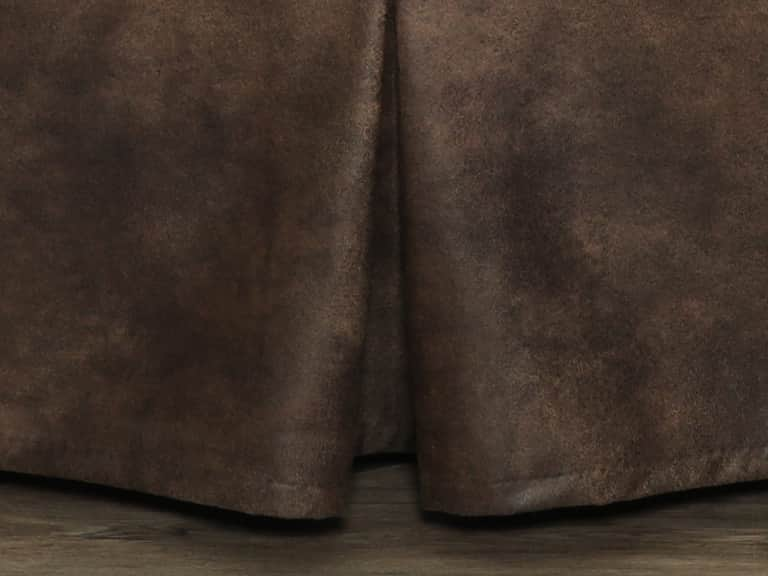
Bed skirts are fabric panels positioned between a mattress and bed frame or foundation. They soften the visible outline of the bed and can conceal the space beneath it, including stored items or frame components. Their drop length and attachment style affect how a skirt fits and hangs, so measurements and bed construction are important considerations.
The Sun Valley Mojave Bed Skirt and Chief Joseph Bed Skirt are examples of bedding designed to provide a finished appearance around the lower edge of a bed. Their style names distinguish the designs; their primary function is to cover the foundation or frame area. A suitable fit depends on mattress height, frame dimensions, and skirt drop.
Bedding choices also relate to furniture and bed construction. Platform bed frames typically support a mattress without a separate box spring, while adjustable beds change position to support different resting postures. Textiles used with these setups should accommodate their dimensions and movement; a bed skirt may not suit every adjustable frame or configuration.
Duvet covers provide a removable outer layer for a duvet insert, helping protect it and allowing the bed’s appearance to change independently of the insert. Bed skirts address the area beneath the mattress, while covers address its top surface. Together, these bedding elements contribute distinct functions, with fit, fabric care, and coordination guiding selection.
 Bedding